Embodied Knowledge In Pigment Craft
Tacit Knowledge & Material Practice
Pigment making is an embodied practice, experienced, produced and understood through physical engagement with materials. Grinding minerals, crushing plants, sieving earth, working with binders and sensing the textures of raw materials cultivate forms of tacit knowledge that cannot be acquired through observing colour alone. These sensory encounters connect artistic practice, traditional craft and material knowledge, positioning the body as an essential site of learning and understanding.
Ecology & Material Relationships
Pigment making offers a way of exploring the intricate relationships between colour, ecology and place. Natural pigments emerge from complex geological and biological processes, shaped by mineral formation, soil chemistry, plant life, climate and human activity. Understanding these materials requires an awareness of the ecosystems from which they originate, including the impact of extraction, land use and environmental change. Through site research, responsible collection and careful material processing, Lucy's practice examines the ecological histories embedded within colour, fostering a deeper awareness of material interdependence, environmental responsibility and our relationship with the natural world.

The body as a tool & instrument
Grinding, crushing, mixing, filtering and sieving require pressure, rhythm, repetition and coordination. The body is not merely assisting the process; it is integral to producing the pigment. Through experience intuitive making begins to be realised, a fine tuning of the senses
Sensory and tacit knowledge
Texture, weight, sound, resistance and changes in consistency allow a maker to develop practical knowledge through experience.
Pigment as a relationship with place
Collecting earth, plants or mineral deposits connects colour to specific landscapes, ecologies and histories.
Labour, care and material ethics
Handmade colour makes visible the time, labour, sourcing decisions and environmental consequences that can disappear when pigments are purchased as finished products. Feeser, Goggin and Tobin offer a historical framework for exploring these questions.

Waste Stream Colour Products
-
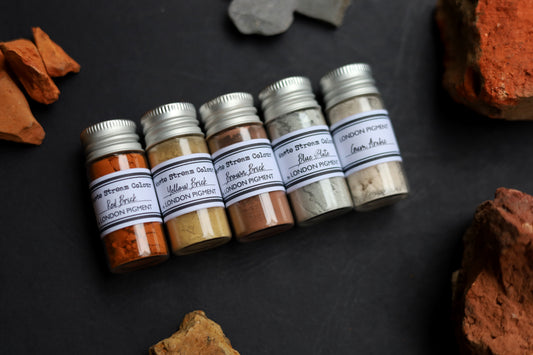
Waste Stream Watercolour Complete Set
Regular price From £70.00 GBPRegular priceUnit price per -
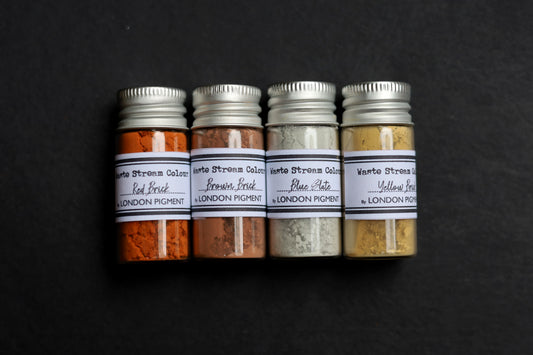
Waste Stream Colour Full Set
Regular price From £60.00 GBPRegular priceUnit price per -
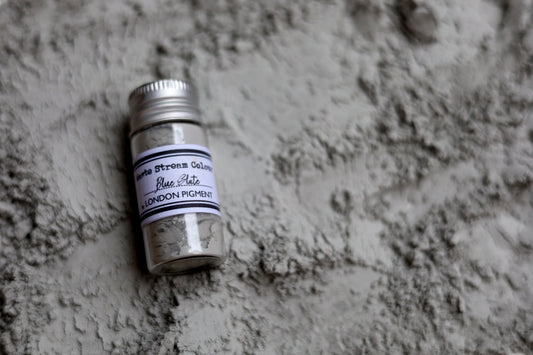
Blue Slate Pigment
Regular price £15.00 GBPRegular priceUnit price per -
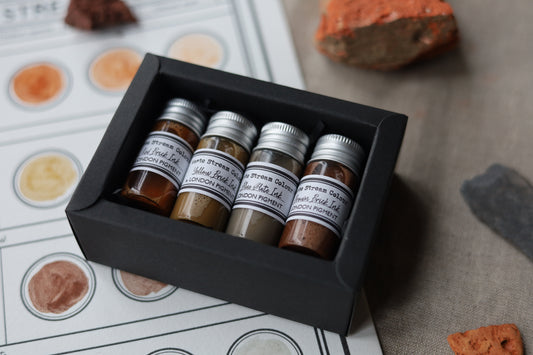
Waste Stream Colours Ink Set
Regular price £38.00 GBPRegular priceUnit price per